The Challenge: Speed, Scale, and System Reliability
Data center operators are working against tight constraints: faster deployment, heavier power loads, and zero tolerance for downtime.
Building and integrating power systems on-site means juggling multiple vendors, managing complex coordination, and dealing with extended construction timelines. This adds risk and complicates quality control. The goal was to standardize power infrastructure, cut down on-site labor, remove integration bottlenecks, and build a system that scales easily.


Data center operators are working against tight constraints: faster deployment, heavier power loads, and zero tolerance for downtime.
Building and integrating power systems on-site means juggling multiple vendors, managing complex coordination, and dealing with extended construction timelines. This adds risk and complicates quality control. The goal was to standardize power infrastructure, cut down on-site labor, remove integration bottlenecks, and build a system that scales easily.
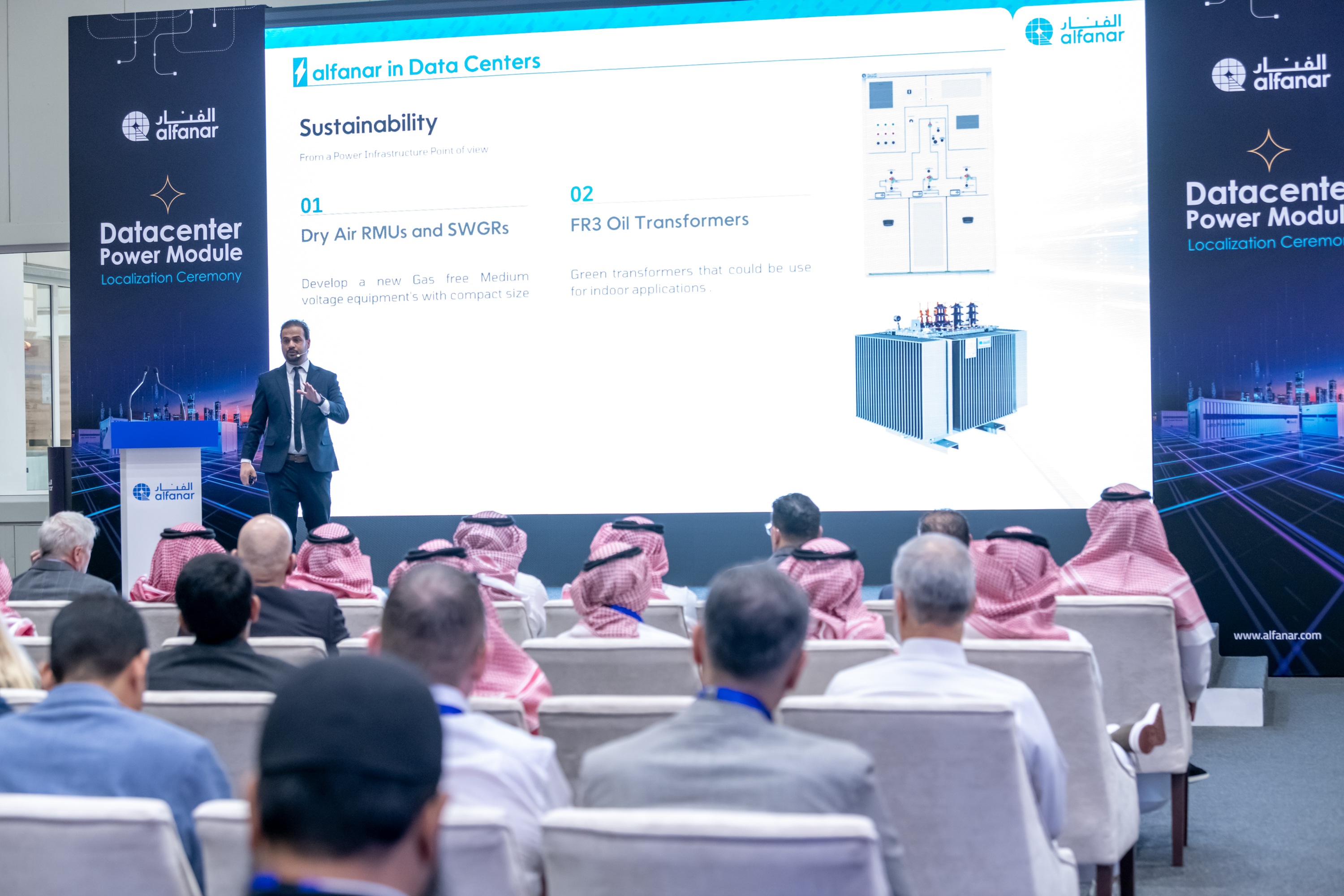
Our Approach: Engineered, Integrated, and Prefabricated
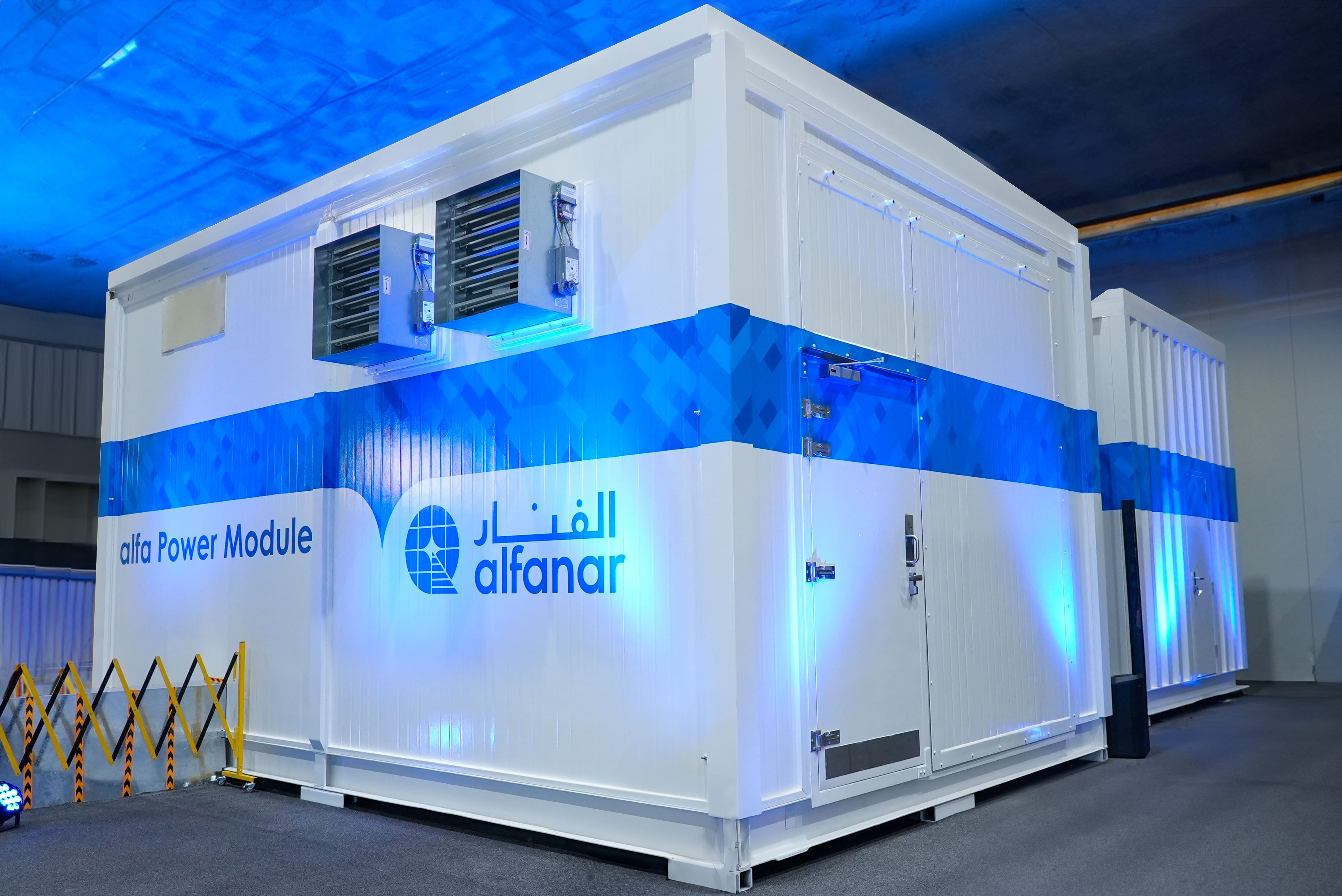
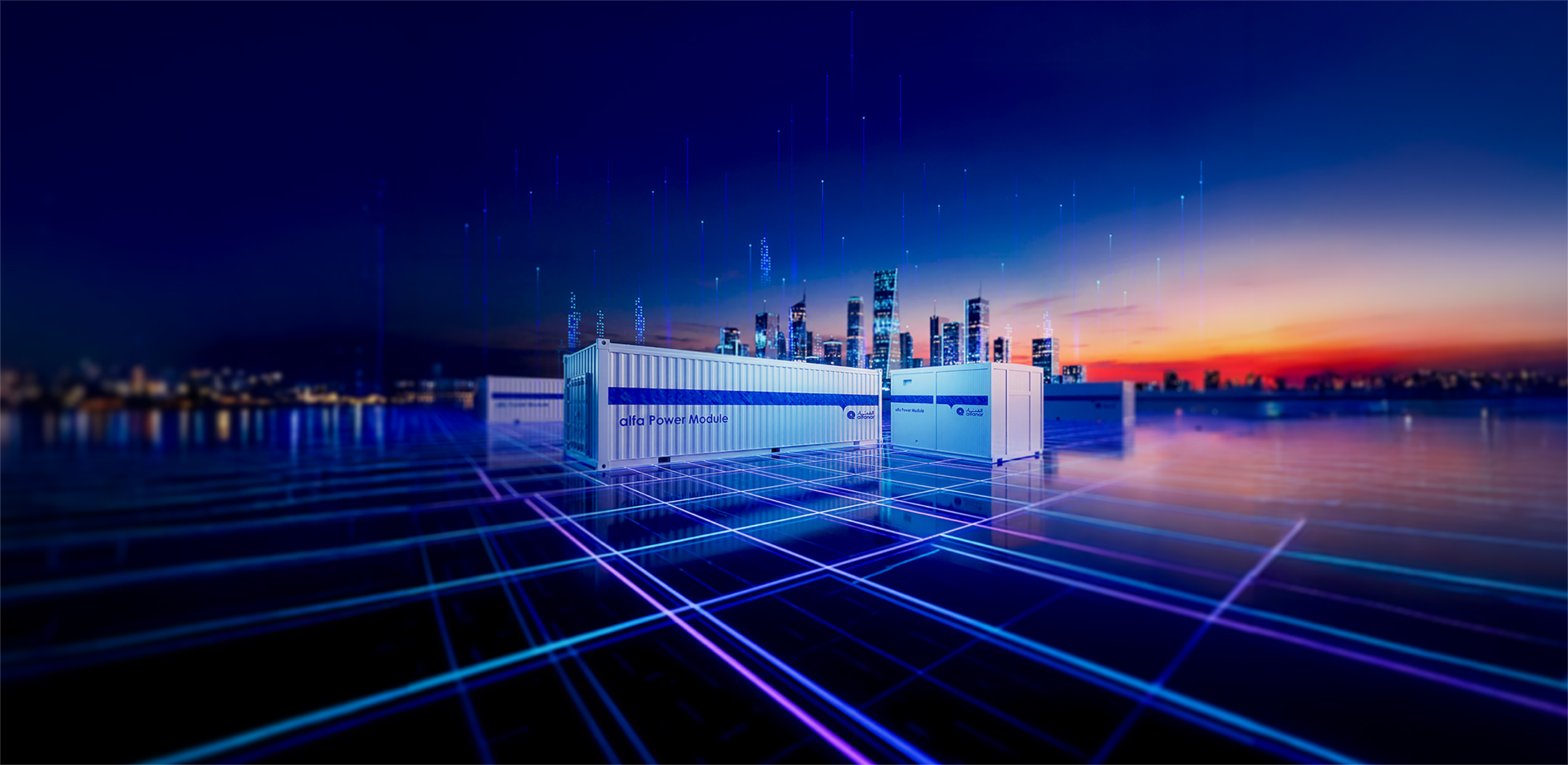
We moved the process from on-site construction to off-site manufacturing. Using our 15,000-square-meter facility in KSA, we build alfanar Power Modules as complete, ready-to-deploy units. Every component is engineered, assembled, and tested before shipping.
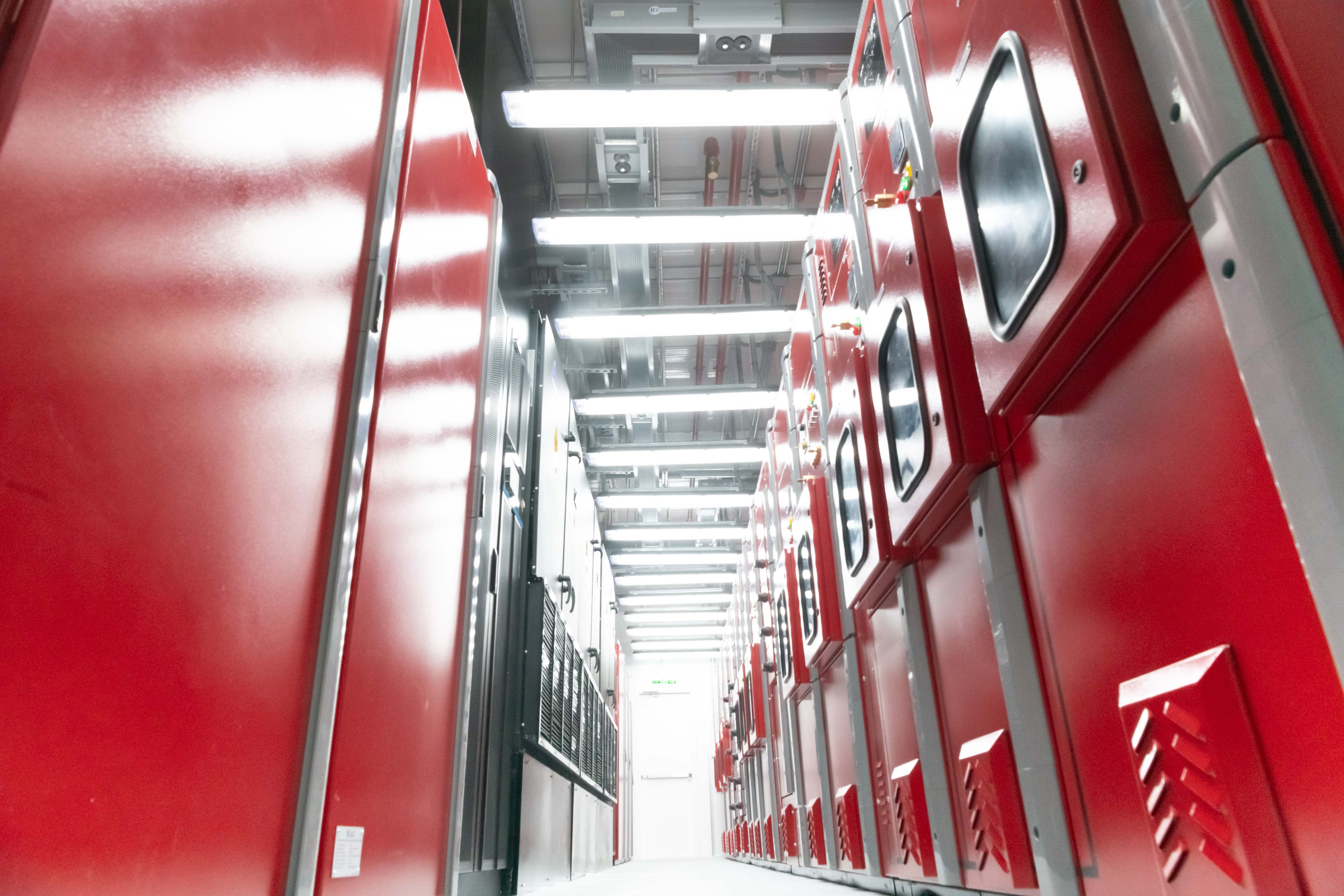
The system starts with the Medium Voltage Module, taking in up to 33kV and 4.5 MVA inside a fire-rated, IP65-protected enclosure. From there, the Low Voltage Module handles up to 3 MW per unit.
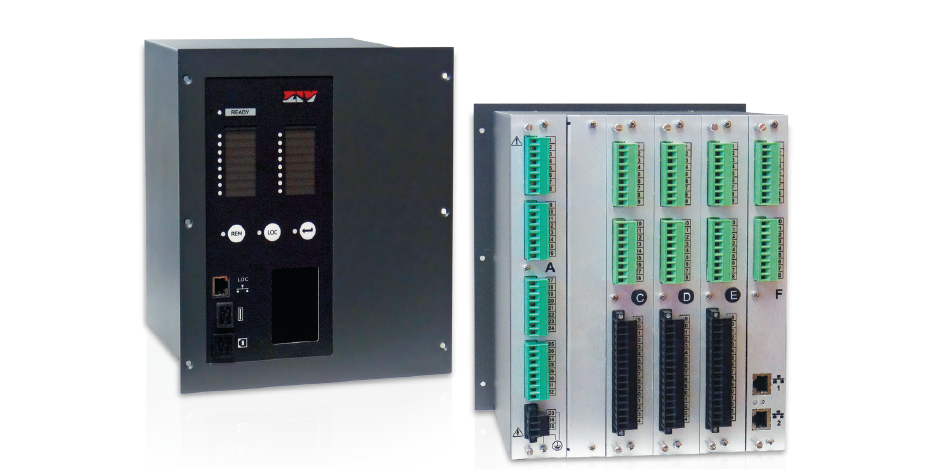
The core LV Switchboard meets IEC 61439 Edition 3 standards, is internal arc fault tested, and built to withstand Richter 8 earthquakes.
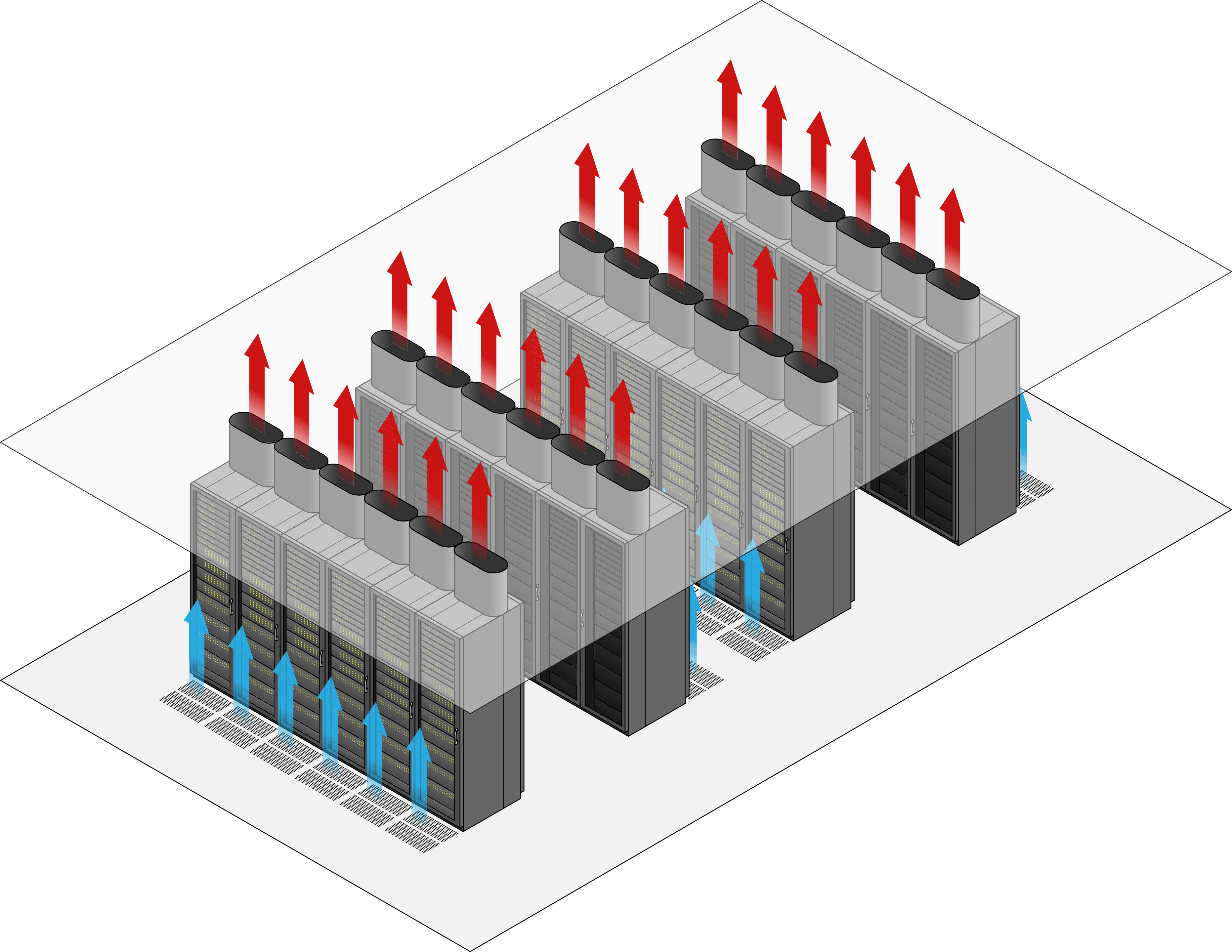
For backup, the compact UPS systems support AI loads with up to 99% ECO-mode efficiency, alongside precision cooling units delivering over 300kW of capacity. Everything sits in customized, C5-rated enclosures built for harsh environments.
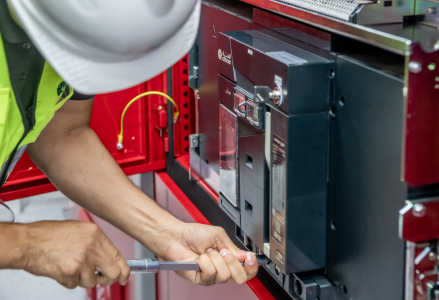
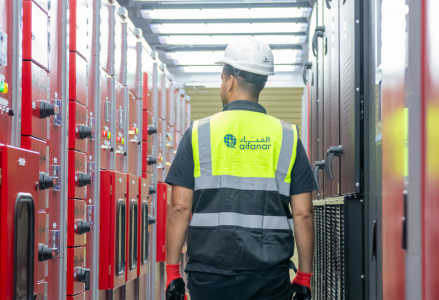
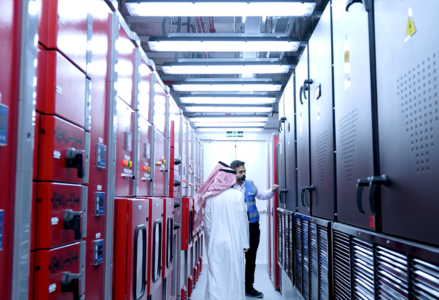
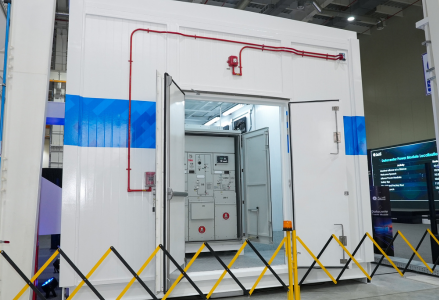
 Prefabricated Integration
 Sustainable Intelligence
 Localized EngineeringLocalized Engineering
Inside the Module
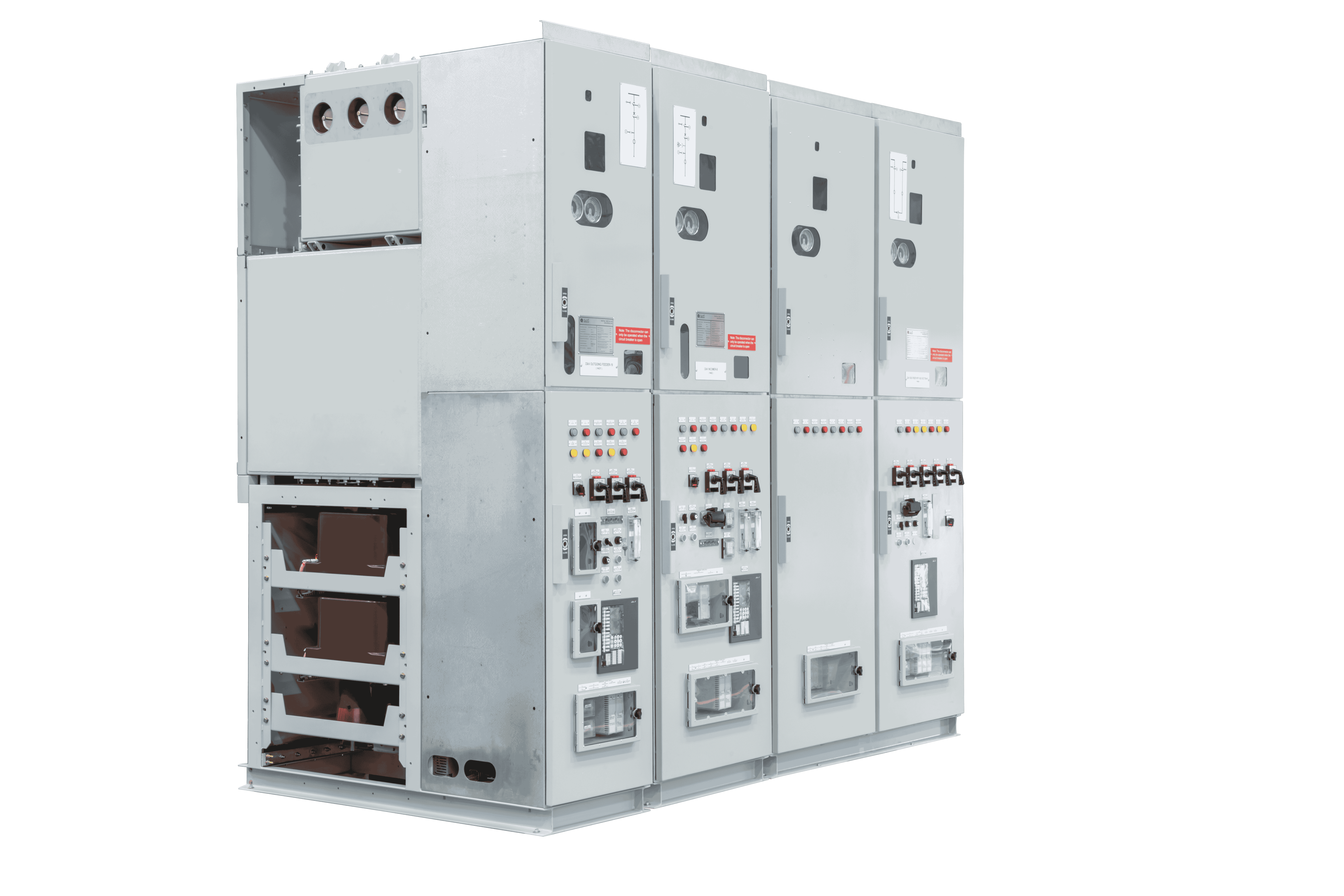
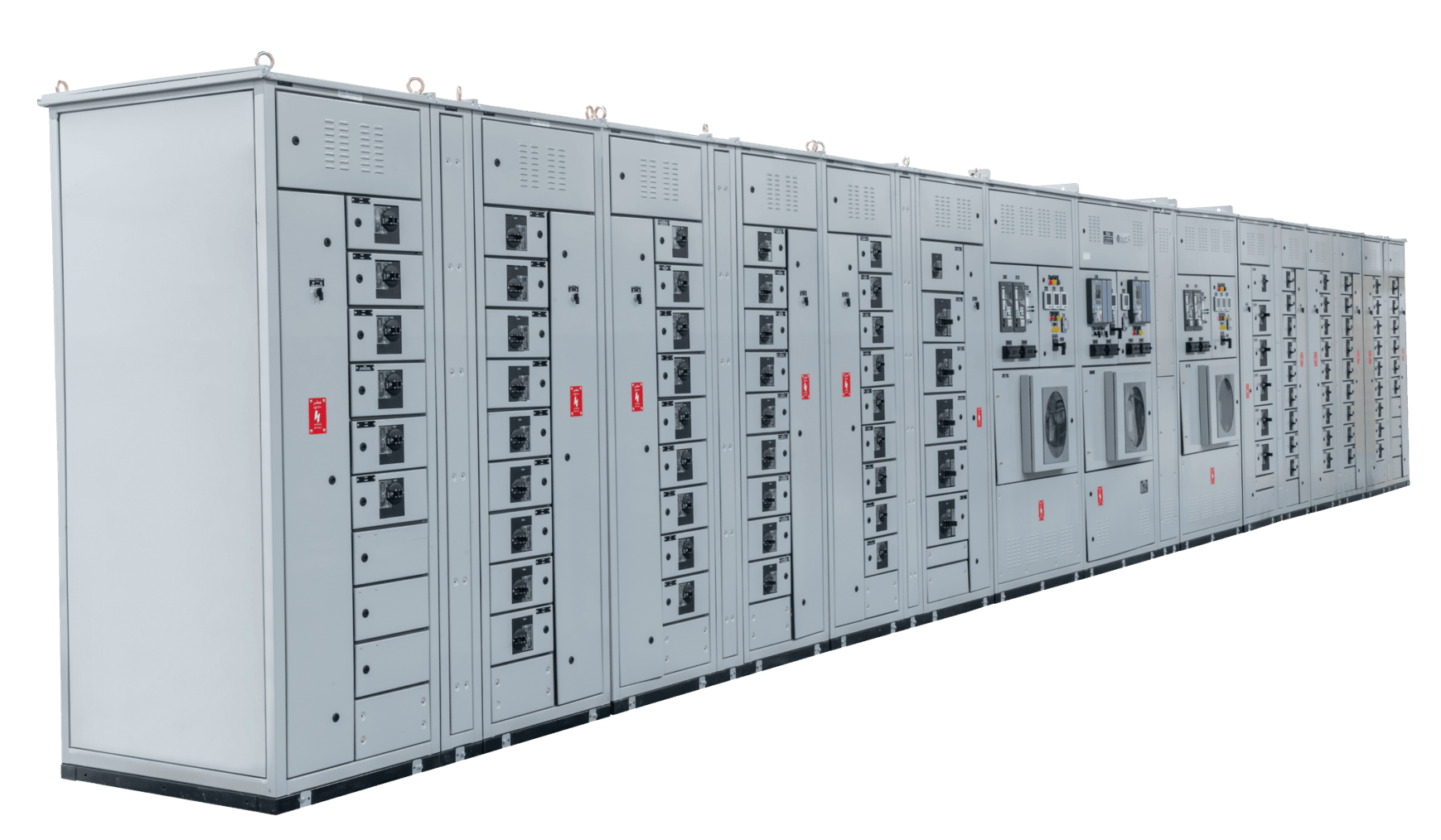
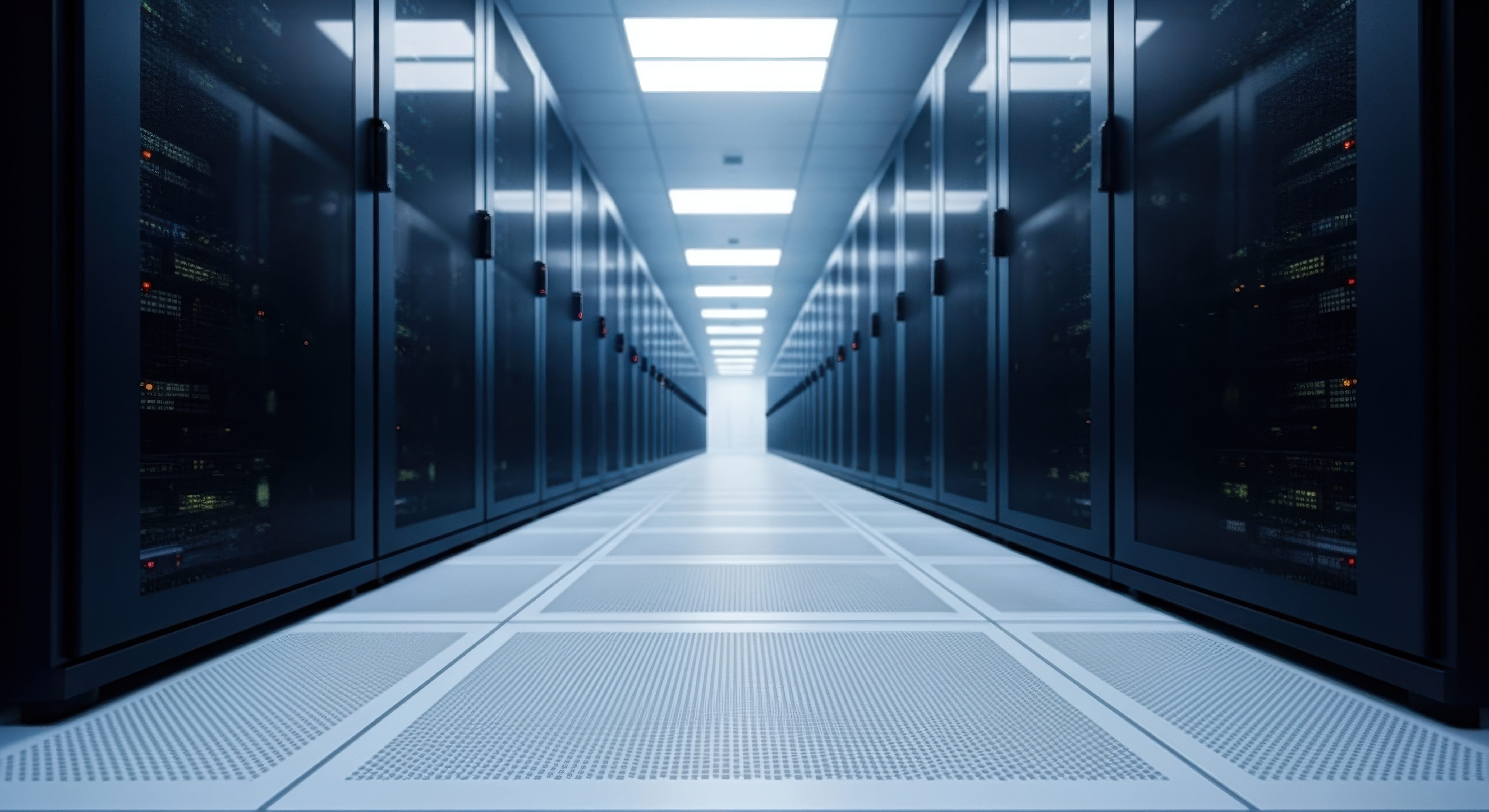
The Results: Resilient Power, Delivered Faster
Delivering a fully integrated, factory-tested module cuts project timelines and removes the guesswork from on-site integration. Operators get a scalable power foundation with hot-swappable UPS architecture, meaning maintenance happens with virtually zero downtime.
By using dry-air insulation and high-efficiency power conversion, the modules also help lower a facility's environmental impact. The end result is a localized, secure, and dependable power infrastructure built for modern mission-critical demands.
